

the magic of beeswax
What ancient Egyptians understood intuitively, modern science now proves: beeswax isn’t just good for skin—it’s one of nature’s most sophisticated skin protectors. Recent research validates what civilizations have known for millennia. From its unique molecular structure that creates ideal barrier function to antimicrobial properties that keep skin healthy, beeswax offers benefits that synthetic ingredients struggle to replicate.
What is Beeswax? Nature’s Perfect Skin Protector
Beeswax is a sophisticated natural polymer that bees create through specialized abdominal glands. Worker bees must consume eight pounds of honey to produce just one pound of this precious substance, resulting in a complex mixture of over 300 compounds including fatty acid esters, free fatty acids identical to those in human skin, long-chain alcohols, and natural antioxidants including vitamin A.
This molecular similarity is what makes beeswax exceptional. Unlike synthetic ingredients that sit on top of skin, beeswax integrates seamlessly with our skin’s natural lipid barrier. The melting point of 95°F means it becomes perfectly pliable at body temperature, while natural purification from antimicrobial propolis compounds provides additional protection.
Ancient Egyptian beauty secrets included elaborate beeswax preparations combined with precious oils. Archaeological evidence shows Egyptian royalty used beeswax-based cosmetics for protection against harsh desert climates and maintaining youthful appearance. What they discovered through experience, we now understand through science.
Science-Backed Benefits of Beeswax for Skin
Modern dermatological research validates ancient wisdom with compelling evidence. Studies published in dermatology journals show that beeswax reduces water loss by 30% without compromising natural gas exchange, creating an optimal balance between protection and breathability. Research demonstrates improved barrier function within two weeks of consistent use, supporting natural moisture retention mechanisms without the heaviness of synthetic occlusive agents.
The antimicrobial properties are particularly impressive. Research in PMC demonstrates significant activity against Staphylococcus aureus, Streptococcus pyogenes, and various Candida species. Unlike harsh chemical antimicrobials, beeswax creates an inhospitable environment for harmful microorganisms while supporting beneficial skin flora.
Anti-inflammatory effects make beeswax valuable for sensitive skin conditions. Comprehensive studies show it reduces inflammatory markers, decreases redness and swelling, and provides particular value for those with rosacea or other inflammatory conditions. The natural compounds work gently but effectively to calm irritated skin.
Perhaps most remarkably, beeswax is non-comedogenic despite being occlusive. Its unique molecular structure prevents accumulation in follicles, making it safe for acne-prone skin. This sets it apart from many synthetic occlusive ingredients that can worsen breakouts.
Clinical trials demonstrate accelerated healing of minor cuts, burns, and abrasions. Beeswax provides optimal wound moisture levels while offering antimicrobial protection during the healing process. Dermatology professionals recognize its value for post-procedure care due to these dual benefits.
Additional research confirms antioxidant protection from natural flavonoids and phenolic acids, biocompatibility due to fatty acid profiles that match healthy skin sebum, and cumulative benefits to skin texture and elasticity with long-term use. Studies indicate allergic reactions are extremely rare, making it one of the safest natural skincare ingredients available.
How Beeswax Works: The Science Behind the Benefits
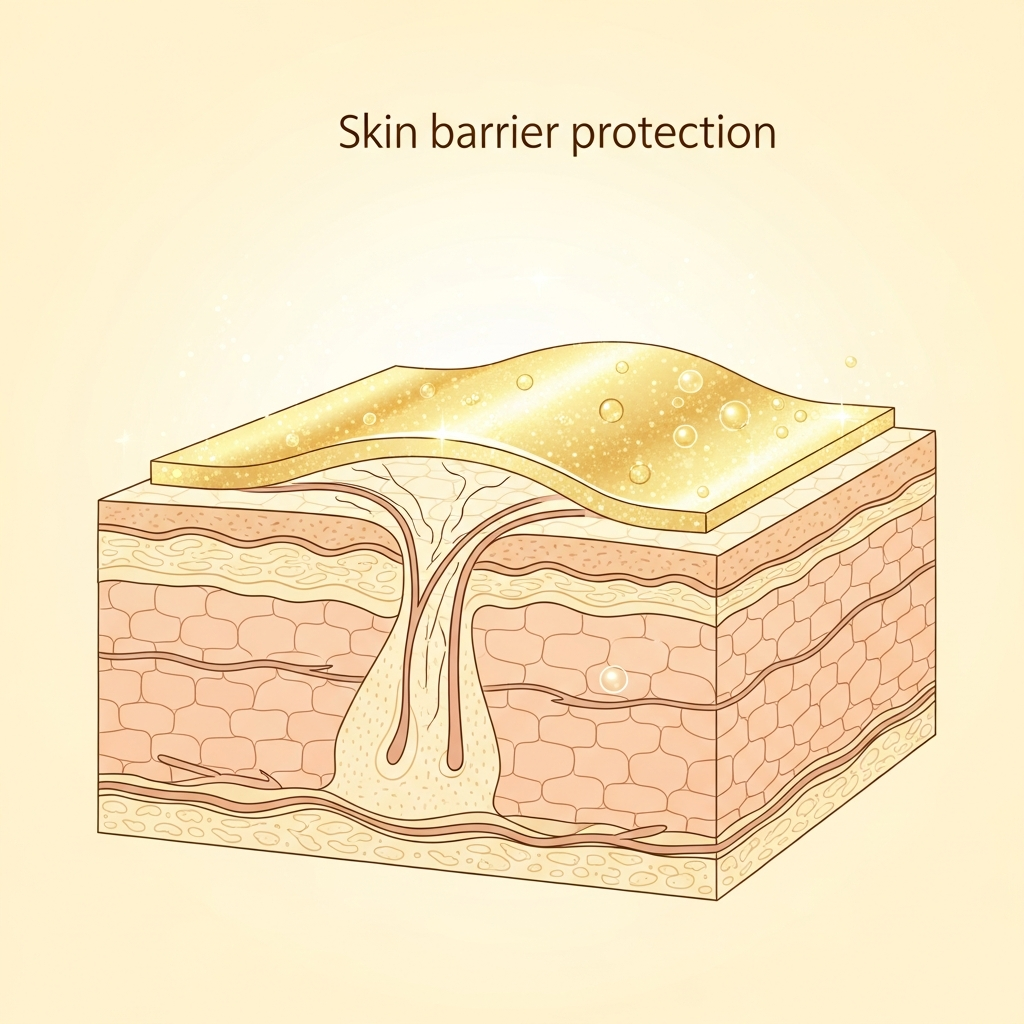
When applied to skin, beeswax forms what researchers call a “semi-permeable biomembrane.” This isn’t simply coating the skin—it’s creating microscopic channels for controlled hydration and gas exchange while integrating with skin’s lipid bilayers rather than disrupting them.
Research shows the fatty acids in beeswax are identical to those in human sebum. This means they absorb into the stratum corneum, strengthening natural barrier function from within. The natural pH compatibility of 5.5 supports optimal barrier function and beneficial microbiome balance, while the temperature adaptability allows the product to become more occlusive in cold conditions and more breathable in heat.
Perhaps most fascinating is the controlled release effect. Beeswax creates a reservoir, gradually releasing beneficial compounds over several hours for sustained skin support. This sustained action explains why users often notice cumulative improvements in skin health over time.
Practical Applications: How to Use Beeswax Effectively
The most effective technique is “wet skin application.” After cleansing, gently pat skin dry but leave it slightly damp. Apply your beeswax product in gentle, circular motions. The residual moisture helps create the perfect environment for barrier formation.
For daily use, apply morning as the final step before sunscreen, and evening after any serums or treatments as a protective seal. Most people benefit from once or twice daily application, adjusting based on skin needs and environmental conditions.
Winter applications are particularly beneficial, as cold air and indoor heating damage natural barriers. Focus on exposed areas like hands, face, and lips where occlusive properties prevent moisture loss most effectively. In summer, beeswax supports recovery from sun exposure with a non-greasy finish ideal for humid conditions.
For specific conditions like eczema or atopic dermatitis, apply twice daily to affected areas using gentle patting motions rather than rubbing. Research indicates the antimicrobial properties help maintain barrier protection consistently. For wound healing, clean the area gently and apply a thin layer, reapplying every four to six hours for optimal antimicrobial protection.
Safety Considerations and Who Should Use Beeswax
Beeswax has an exceptional safety profile with less than 1% of the population experiencing allergic reactions. Comprehensive research confirms this remarkable safety record, with most adverse reactions relating to other ingredients rather than beeswax itself.
Those who should exercise caution include individuals allergic to honey, propolis, or royal jelly, who should patch test carefully. Beekeepers with occupational exposure and those with multiple environmental allergies may have higher risk, as might people using prescription topical medications who should consult their dermatologist.
For pregnancy and nursing, beeswax is generally safe for topical use with no known risks to mother or child, though those with allergy histories should consult healthcare providers. Children over six months can safely use beeswax products, starting with lower concentrations as a natural alternative to synthetic ingredients.
People with compromised immune systems often benefit from the antimicrobial properties and barrier support, though complex conditions warrant healthcare provider consultation.
Quality matters significantly. Choose cosmetic-grade or pharmaceutical-grade beeswax, avoiding industrial-grade products. Look for heavy metal and pesticide testing certificates, check expiration dates, and ensure proper storage.
For patch testing, apply a small amount to a two-inch area on the inner forearm, cover if needed, and observe for 24-48 hours watching for redness, swelling, itching, or burning. Discontinue if any symptoms occur, though serious adverse reactions to properly formulated beeswax are exceptionally rare.
Conclusion: Ancient Wisdom Meets Modern Science
The answer to “Is beeswax good for skin?” is definitively yes. This remarkable ingredient offers proven barrier protection without clogging pores, natural antimicrobial properties that support healthy skin flora, anti-inflammatory benefits for sensitive and irritated skin, an exceptional safety profile, and versatile applications for all skin types and concerns.
What makes beeswax truly special is its perfect compatibility with human skin chemistry. The fatty acids mirror our natural sebum, the pH supports our skin’s balance, and the molecular structure works in harmony with our natural processes rather than against them.
From Cleopatra’s ancient beauty rituals to modern dermatology research, beeswax represents the bridge between time-tested wisdom and scientific validation. Its ability to provide protection while supporting natural skin function makes it ideal for long-term skincare routines focused on skin health rather than quick fixes.
As we understand more about skin health and barrier function, ingredients like beeswax that support rather than disrupt our natural processes become increasingly valuable. Egyptian Magic harnesses this power alongside four other precious natural ingredients—olive oil, honey, royal jelly, and propolis—in a time-tested formula that has captivated users for generations.
Ready to experience ancient beauty wisdom backed by modern science? Discover how five simple ingredients can transform your approach to natural skincare and join thousands who have rediscovered the magic of ingredients that work as nature intended.